Licensing adult AI stock images
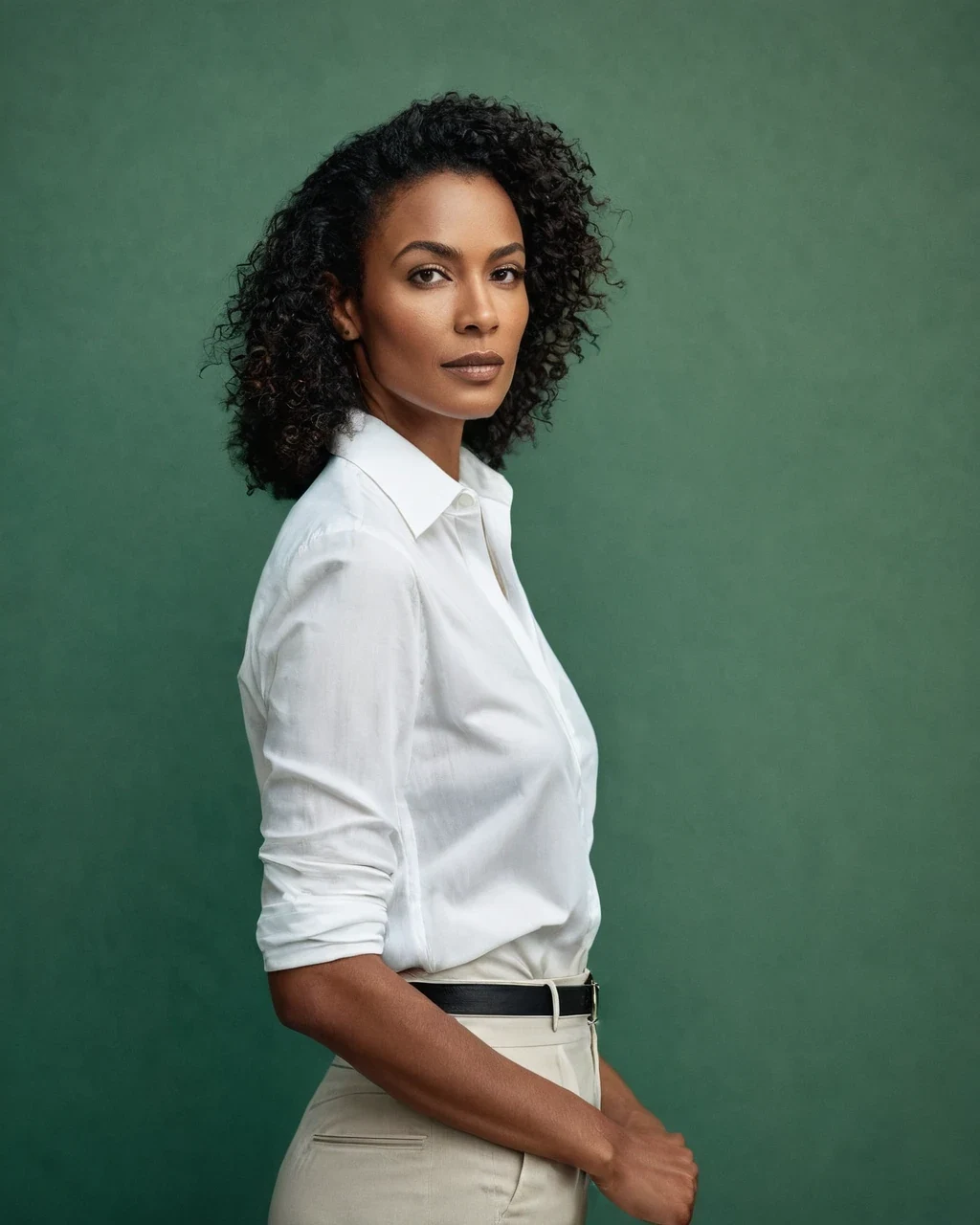
Synthetic stock removes the performer-release workflow only when the people are genuinely original. It does not remove copyright, trademark, privacy, publicity, obscenity, platform, or local-law questions. Treat every deliverable as a rights package, not only a picture. Build a first draft in the studio, then test one change at a time. Small tests show what each word does.
Verify the generation chain
Record the model provider, plan, prompt, seed, edits, and date.
- Confirm commercial use under your provider agreement.
- Keep proof of your subscription or license tier.
- Document material edits and source images.
Clear visible risk
A synthetic face can still look like someone. A generated logo can still be a trademark problem.
Faces
Reject recognizable real-person resemblance.
Brands
Remove logos, marks, and distinctive packaging.
Property
Avoid presenting private locations as released stock.
Write the buyer scope
Say what a buyer may do, in plain words. Which media. Whether it is exclusive. Whether they may edit or resell it. What they must disclose. This guide is general information, not jurisdiction-specific legal advice.
Know what the buyer is actually buying
A licence is a set of permissions, and vagueness here is what turns a sale into a dispute. Say which one you are granting, in the words a buyer will read.
Royalty-free
The buyer pays once and reuses the image within agreed limits. It does not mean free, and it does not mean unlimited.
Rights-managed
Permission is scoped to a use, a territory and a period. More administration, and usually a higher price.
Exclusive
Nobody else licenses it, including you. Price accordingly, and be certain you have not already sold it elsewhere.
Editorial only
Usable to illustrate reporting or commentary, not to sell a product. Adult work is often restricted to this by the buyer's own platform.
| Licence | Can they resell? | Can you sell it again? |
|---|---|---|
| Royalty-free | No | Yes |
| Rights-managed | No, outside the scope | Yes, outside the scope |
| Exclusive | No | No |
| Editorial only | No | Yes |
Adult work has gates ordinary stock does not
Everything that applies to a landscape applies here too, and then several things more. Clearing them is part of the deliverable. The platform rules are the floor, not the ceiling.
- The platform's own rules may forbid adult content regardless of your licence.
- Local law varies by territory, and a buyer in one country cannot rely on your reading of another.
- Age must be legible from the image, not only asserted in your records.
- Payment processors apply their own restrictions, which can be stricter than the platform's.
- Some marketplaces require a synthetic-media disclosure before an adult image can be listed at all.
Keep the record a dispute would need
The question is never whether you behaved well. It is whether you can show it, months later, without relying on memory.
The generation chain
Model, seed, prompt, negatives, date, and platform. Enough for someone else to see how the image came to exist.
The originality position
A note that the person is synthetic and resembles no real individual, plus what you did to check.
The clearance pass
What you removed or avoided: Logos, marks, distinctive packaging, recognisable private property.
The grant itself
Exactly what you sold, to whom, when, and on what terms. Metadata practice keeps most of this attached to the file.
Check these before you license
Run the production review checklist over the set before you publish. Then read the stock metadata guide.
- The generation chain is documented end to end.
- Nothing in the frame belongs to someone else.
- Write the buyer scope down. Do not assume it.
Licensing adult AI stock images: common questions
Do synthetic models need releases?
Original synthetic people do not sign releases, but you still need a documented no-real-person workflow.
Can I sell any generated image?
Only if your provider terms, plan, law, and the image's content allow it.
Should I keep prompts?
Yes. Prompts, seeds, models, dates, and edits help document provenance.
What is the difference between royalty-free and free?
Royalty-free describes how the buyer pays: Once, rather than per use. The image is still licensed and still costs money.
Can I sell the same image to two buyers?
Yes, unless you granted exclusivity to one of them. That is precisely why the grant needs to be written down rather than agreed in conversation.
Does a synthetic person remove all rights questions?
No. It removes the performer release. Copyright, trademark, platform rules and local law all still apply to the finished image.
Where to go next
This guide pairs with platform terms, real-person boundaries, provenance metadata and who makes this work.