Metadata for adult AI stock
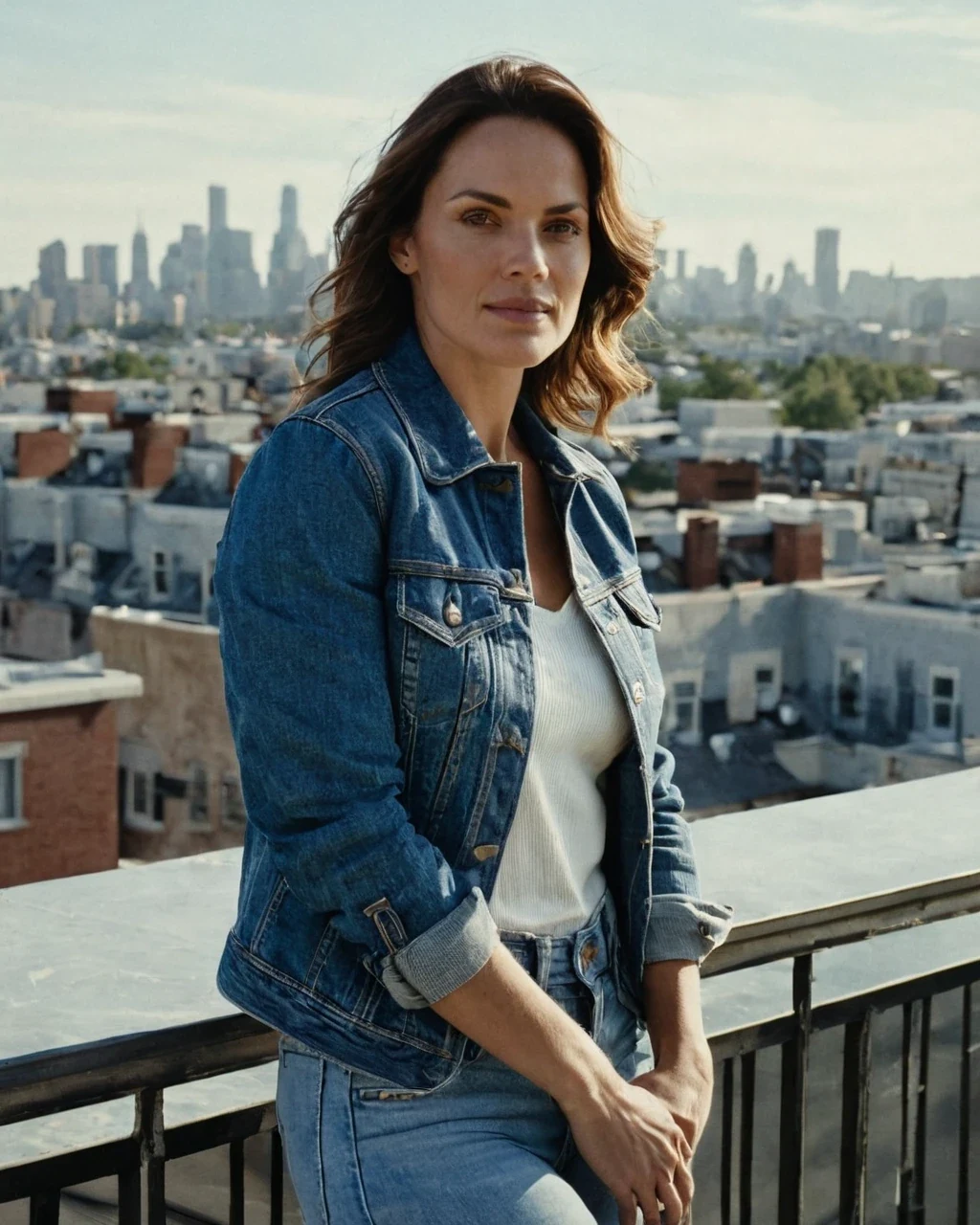
Stock metadata is part accessibility, part retrieval, and part provenance. A title identifies the photograph, alt text describes what matters visually, tags support discovery, and a synthetic-media note states origin. Repeating the same keyword string in every field helps nobody. Build a first draft in the studio, then test one change at a time. Small tests show what each word does.
Give each field one job
Separate title, description, alt text, and tags.
- Title: Concise and differentiating.
- Alt: Visible subject, action, setting, and meaningful mood.
- Tags: Concrete searchable attributes, ranked by importance.
Describe without judgment
Use neutral adult, body, disability, gender, and relationship language.
Useful
Two synthetic adult women in warm window light.
Weak
Beautiful sexy girls.
Provenance
AI-generated synthetic adults; no real model.
Automate, then review
ImageFap reads the finished render back and drafts its metadata automatically. The creator remains responsible for correcting wrong age, identity, anatomy, or context before publication.
Four fields, written from one image
Here is the same photograph described four times, each field doing only its own job.
Title
Woman in ivory silk slip at a bedroom window. Identifies the photograph among others in the set. No keyword stuffing, no mood words.
Description
An adult woman stands at a window in early morning light, one hand resting on the sill, wearing an ivory bias-cut silk slip. Written for a buyer scanning a results page.
Alt text
Woman in a pale silk slip standing at a sunlit bedroom window, looking away from the camera. Written for someone who cannot see the image at all. Image to Prompt drafts a first pass to correct.
Tags
Silk slip, window light, bedroom, morning, three-quarter length, copy space, synthetic model. Concrete and searchable, ordered by how much each one matters.
| Field | Written for | Fails when |
|---|---|---|
| Title | Telling frames apart | It repeats the tag list |
| Description | A buyer browsing | It describes mood instead of content |
| Alt text | A reader who cannot see it | It says what the image means |
| Tags | Search and filtering | They are abstract or aspirational |
Tag the things buyers actually search
Buyers search for what they need to fill a layout, not for how the picture made you feel.
- Tag the deliverable shape: Vertical, copy space, negative space, square crop.
- Tag the visible material: Silk, lace, denim, latex, linen.
- Tag the light: Window light, golden hour, low key, studio.
- Tag the composition: Three-quarter length, close crop, over the shoulder.
- Skip the adjectives: Beautiful, stunning and sensual match nothing a buyer types.
Keep provenance attached to the file
Metadata that lives only in your head cannot answer a question six months later. Provenance is the record that makes a licence defensible.
What to store
Model name, seed, full prompt, negative prompt, dimensions, date, and every edit applied after the render.
Where to store it
With the file, not in a separate note that will be separated from it. The licensing guide covers what a buyer may ask to see.
The synthetic-media note
State plainly that the image is AI-generated and that no real person is depicted. That sentence belongs in the record and, where required, in the published metadata.
Check these before you export
Run the production review checklist over the set before you publish. Then read the licensing checklist.
- Title, alt text and tags each do a different job: None repeats another.
- Alt text says what you can see. Not what it means.
- Model, seed, prompt and date are saved with the file.
Metadata for adult AI stock: common questions
Should alt text include every tag?
No. Describe the image's meaningful visible content in natural language.
Should I disclose AI origin?
Use a clear synthetic-media note where licensing or platform context requires it.
Can metadata be generated automatically?
Yes, but it must be reviewed against the actual image.
Can the title and alt text be the same?
No. The title tells one frame from another; alt text describes the image to somebody who cannot see it. Reusing one as the other fails both jobs.
How many tags is the right number?
Roughly eight to fifteen concrete ones. Past that you are adding tags that match nothing, which dilutes the ones that do.
Do I need a synthetic-media note on every image?
Keep it in the provenance record every time. Whether it must be published depends on the platform and the licence, so check both.
Where to go next
This guide pairs with image metadata tool, tag index and provenance and responsibility.