Expression Lab: Change a facial expression in a photorealistic AI image
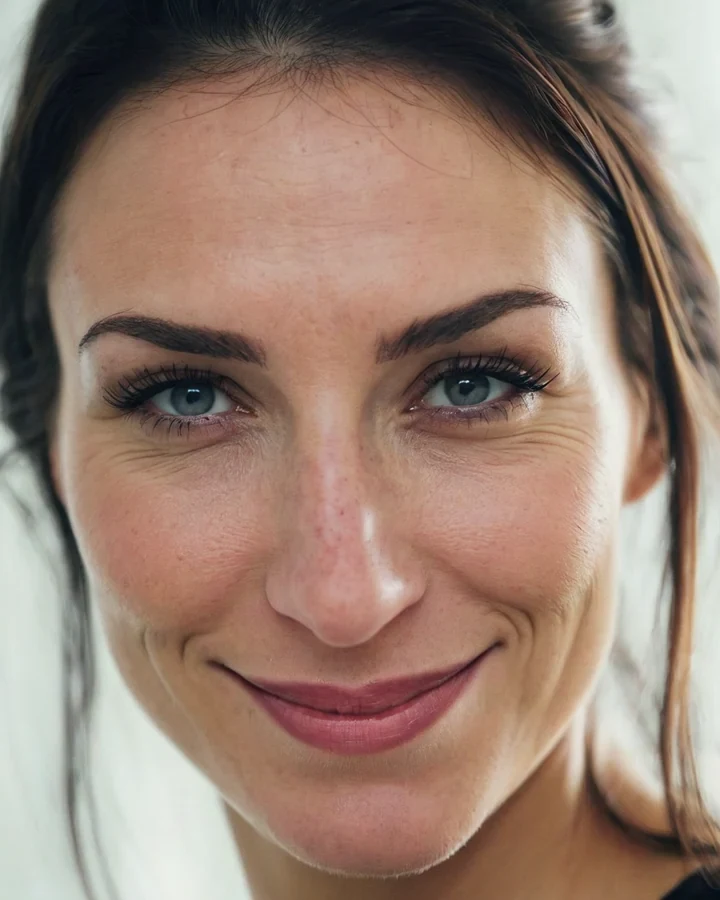
A shoot delivers the same look forty times with small differences, and that variety is what a buyer licenses. Asking for "happy" gets you a stock grin. Asking for one eyebrow raised, lips closed gets you a photograph. Direct the face the way a photographer would, then finish in the studio.
Name muscles, not feelings
Emotion words are a summary of a face. The model needs the face itself.
- The eyes - Narrowed, widened, one brow lifted, a slow blink caught half-closed.
- The mouth - Lips parted, one corner raised, jaw set, teeth just showing.
- The head - Chin lowered, turned away with the eyes still on camera.
| Instead of | Write |
|---|---|
| Happy | One corner of the mouth raised, eyes creased |
| Sad | Chin lowered, gaze down and to the left |
| Sexy | Lips parted, chin down, eyes level with the lens |
| Angry | Jaw set, brows drawn low, mouth closed |
| Surprised | Brows high, mouth slightly open, head back an inch |
Small beats large
An eighth of a smile survives; a grin recasts the face. The further a face travels from the render, the more identity goes with it.
- Change one feature at a time and re-run rather than stacking three.
- If the identity drifts, the request was too big. Halve it.
- Hair, wardrobe, pose and background are untouched throughout.
Building a usable set
Four expressions on one casting is a licensable series. Buyers pick the frame that fits their copy, which is why range sells better than one perfect shot.
- Work from the same finished frame each time, not from the previous edit.
- Keep the seed and anchors - See holding one model.
- Enlarge the chosen frames last with the upscaler.
One character, three beats
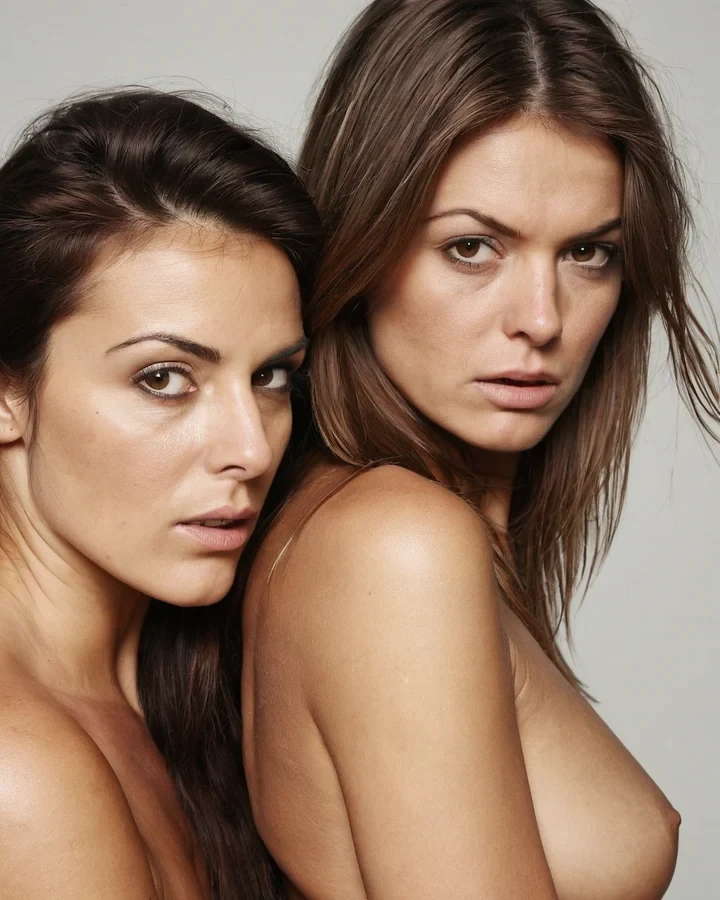
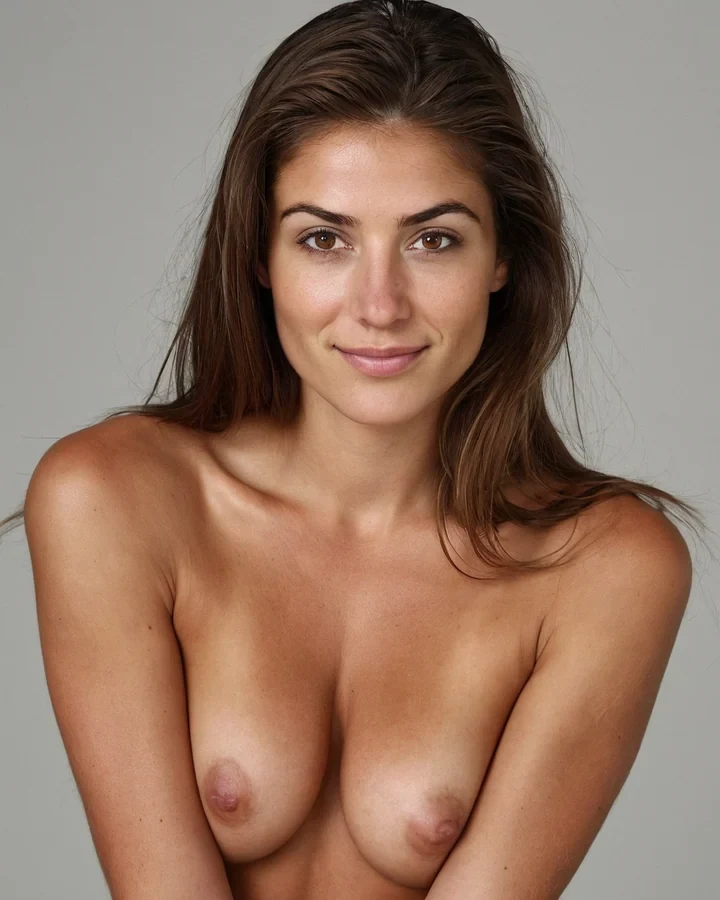
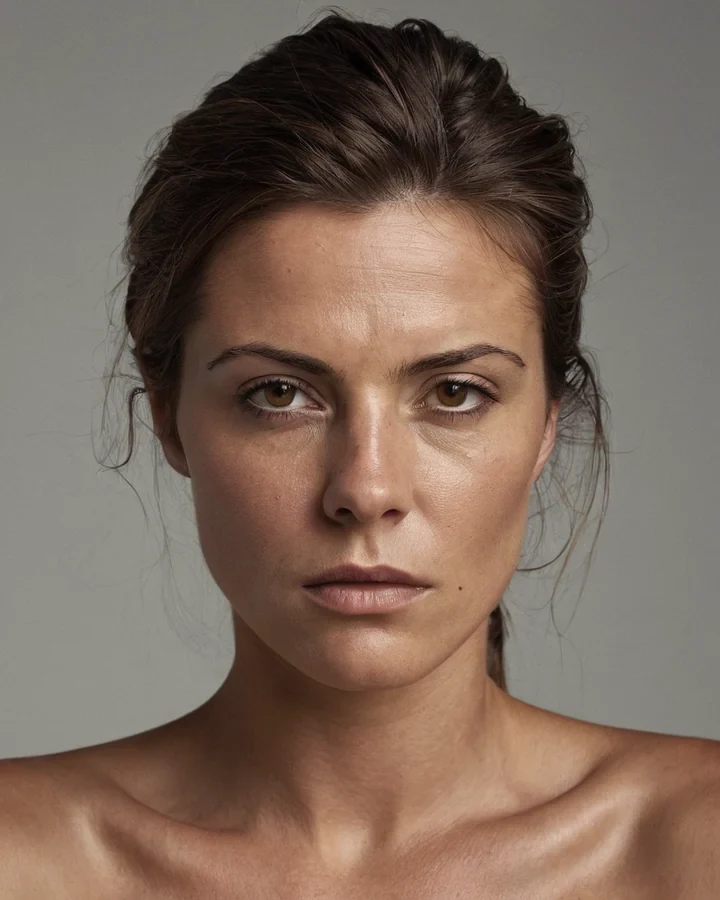
Example results in the style this tool produces, not a single verified before-and-after run.
Worked example: a subtle expression alternate for a stock set
| Input | Your base adult portrait |
|---|---|
| Preserved | Hair, outfit, pose, background |
| Cost | 5 credits |
| Best for | Contact sheets - See Contact Sheet Maker |
The exact instruction
brows drawn slightly together, eyes narrowed a little, mouth closed and tight, everything else unchanged
What comes back
A small, readable change. Describing the muscle movement rather than naming 'worried' is what keeps it subtle; broad emotion words tend to produce an exaggerated result.
When it goes wrong
| What you see | Why | What to change |
|---|---|---|
| The expression is too big | An emotion word was used | Describe brow, eye and mouth position instead |
| The hair shifted | The instruction was too broad | Add 'everything else unchanged' |
| It reads as a different person | Large expression changes drift the face | Make smaller changes across more panels |
Change a facial expression in a photorealistic AI image: common questions
Can I build a sequence of expressions from one photograph?
Yes, and it is the main use. Always edit the original frame rather than the previous edit, or small drifts compound across the set.
Does changing the expression alter hair or wardrobe?
No. Only the face moves. Hair, clothing, pose, lighting and background are held.
How do I get something subtle rather than a stock grin?
Ask for one muscle. "Lips closed, one corner slightly raised" reads as a person; "happy" reads as a catalogue.
Why did her face stop looking like the same model?
The change was too large. A big expression rebuilds most of the face - Halve the request and run it again from the original.
Where to go next
This tool is usually used alongside change the body too, assemble the sequence, consistency across panels and boudoir sets.