Consent and adult synthetic media
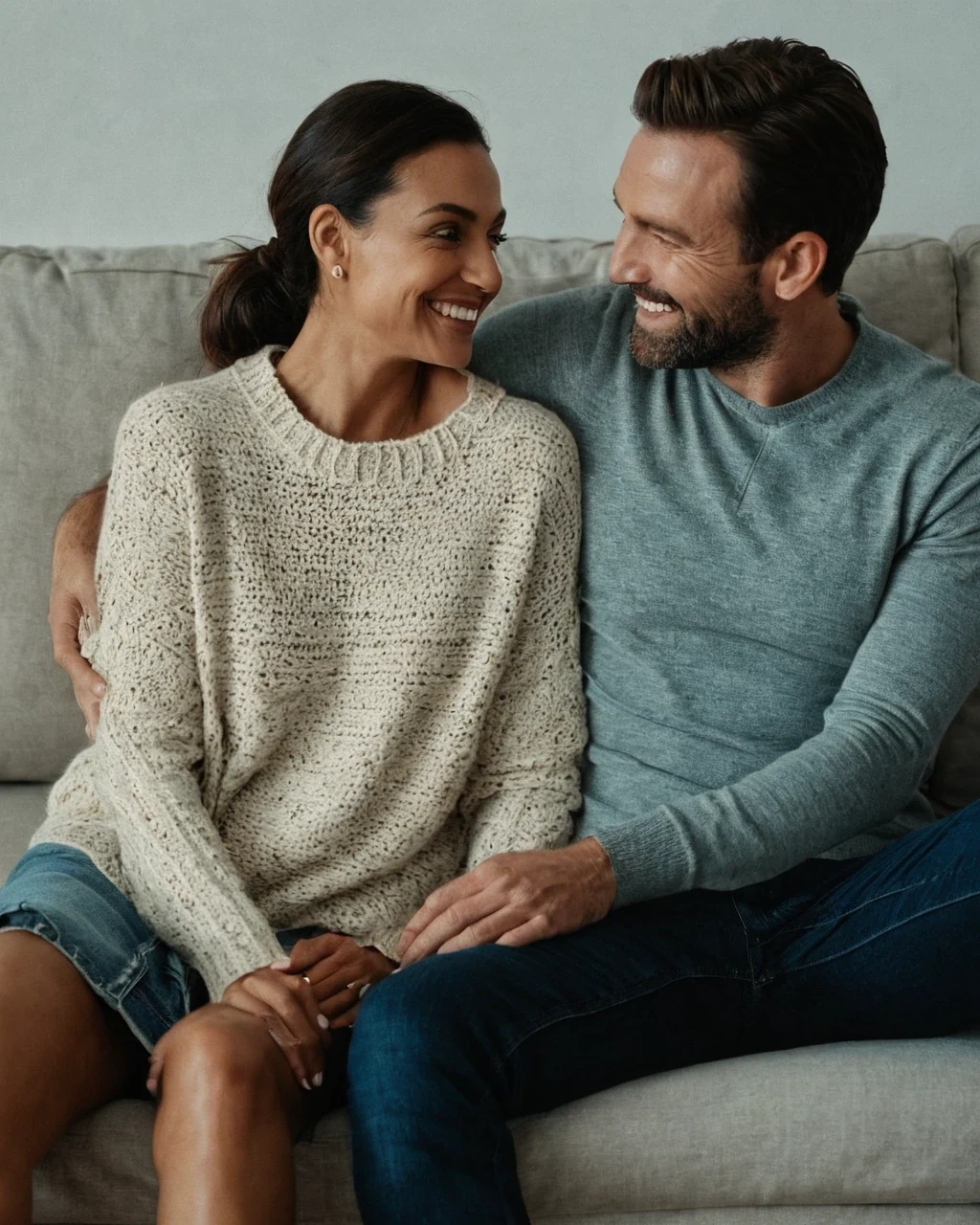
An image can be synthetic and still cause real harm if it targets a person, obscures age, or depicts coercion. Responsible adult AI work begins with original identities, clear adulthood, mutual participation, and records that explain how the image was made. Build a first draft in the studio, then test one change at a time. Small tests show what each word does.
Do not target a real person
A lawful source photo for an editing workflow is different from generating sexualized likeness without consent.
- Do not use celebrity or private-person names.
- Do not imitate a recognizable face.
- Keep uploads permissioned and non-explicit.
Make adulthood visible
State exact adult age and use mature face, body, wardrobe, and setting cues.
Words
Adult, exact age, mature facial structure.
Image
No school, childlike, or age-ambiguous cues.
Review
Reject outputs that drift younger than the brief.
Record and report
Keep model, seed, prompt, date, and edit history. Use the reporting system if public content violates the standard.
Depicted consent is something you can see
Consent in a synthetic image is not a document. It is a visual property of the frame, and it is either legible or it is not.
Faces answer each other
In a two-person frame both people are participating. A blank or distressed expression beside an engaged one reads as coercion, whatever the brief said.
Posture is not restraint
Weight, contact and orientation should look chosen. Someone pulling away is telling a different story from the one you wrote.
Restraint needs its context
Negotiated power play reads as negotiated when the frame shows ease: Relaxed hands, steady breathing, an expression that is present rather than absent. Consensual restraint stock lives or dies on this.
Nothing in frame implies force
If a viewer with no access to your prompt could read the image as non-consensual, the image fails, and the prompt cannot rescue it.
Uploads and edits raise the bar, not lower it
Starting from a photograph changes what you are responsible for, because now a real person may be involved.
- Only upload images you have the right to use to the editing tools, and keep them non-explicit.
- Never use an upload to place a real, identifiable person into sexual content.
- A face that arrived from a photograph carries that person's likeness with it, however much you edit afterwards.
- Record which source images were used on which renders, so the chain is reconstructible.
- If you cannot establish where a source image came from, do not use it.
| Workflow | Position |
|---|---|
| Generating an original synthetic adult | Fine |
| Editing your own non-explicit photo | Fine, within the rules |
| Using a stranger's photo as a face reference | Not permitted |
| Any sexual depiction of a real, named person | Refused outright |
What to confirm before publishing
Run the production review checklist over the set before you publish. Then read the adult character rules.
- The person is original and resembles no real individual you can name.
- Adulthood is legible from the image alone, without the prompt.
- Everyone depicted reads as a willing participant.
Consent and adult synthetic media: common questions
Does synthetic mean consent does not matter?
No. Real-person protection and depicted consent both matter.
Can I name a celebrity?
No. Naming a celebrity or any real person is prohibited. Real-person sexual imagery breaks the rules however it was made, including AI-generated ones.
What if a result looks too young?
Do not publish or reuse it; discard it and strengthen adult markers.
How can an image show consent if nobody is real?
The same way a photograph does: Through expression, posture and contact. A viewer reads willingness from the frame, and that reading is what your work is judged on.
Is editing my own photograph allowed?
Yes, within the platform rules, provided it stays non-explicit and no other identifiable person is in it. The character rules set out the boundary.
What should I do with a borderline frame?
Discard it. A frame that needs an explanation is a frame that will be seen without one.
Where to go next
This guide pairs with adult safety standard, privacy policy, reporting and safety and how the studio works.