How to audition an adult AI image model
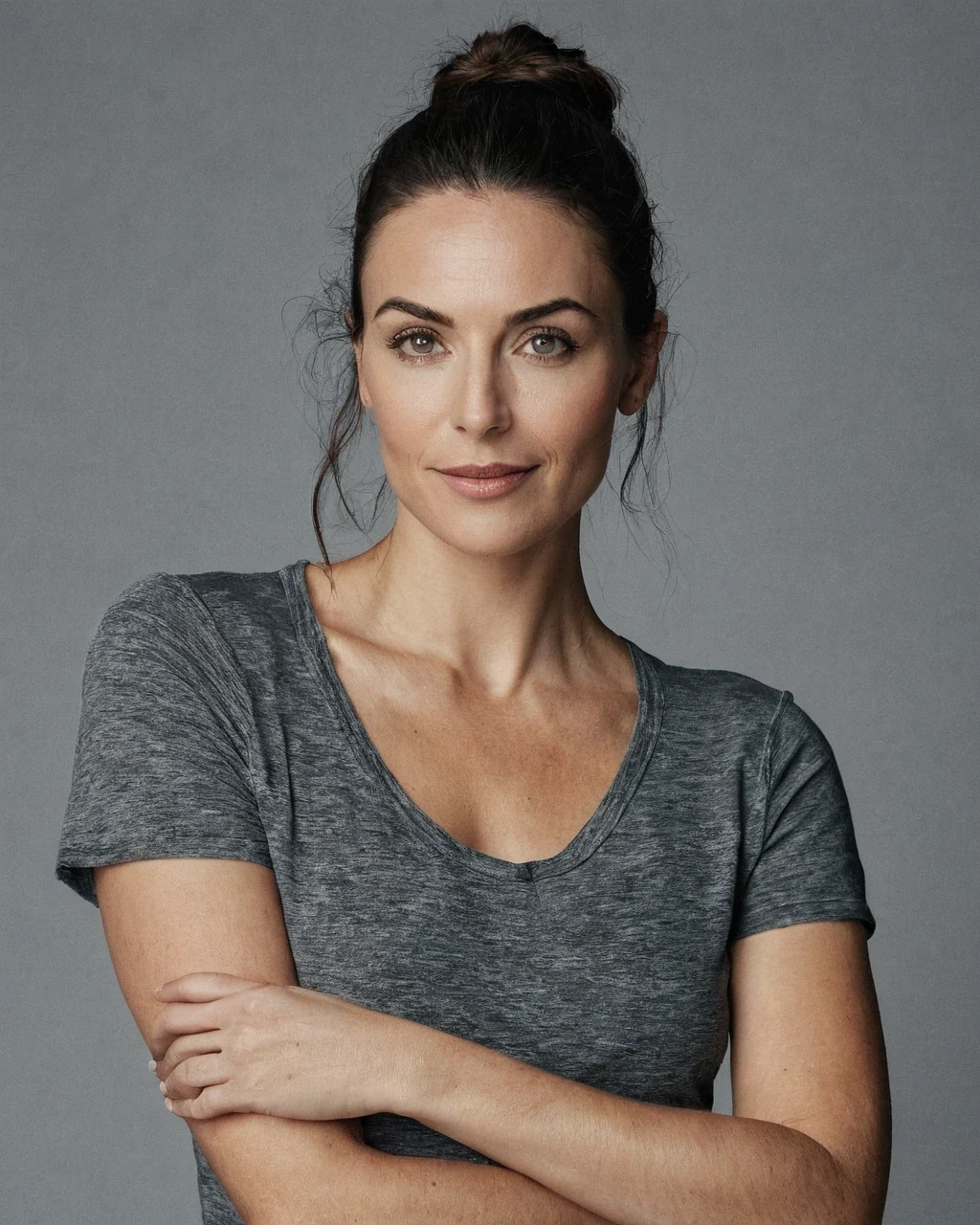
ImageFap runs two checkpoints with different instincts. ImageFap AI V1 is the default: Bold adult composition, strong prompt adherence, dependable anatomy. ImageFap AI V2 favors sensual fabric and intimate light. Test them with the same brief rather than taking either on description. Build a first draft in the studio, then test one change at a time. Small tests show what each word does.
Give every model the same audition
Use one mature synthetic identity, visible hands, fabric, two background objects, one lens, and one named source. Keep dimensions and seed fixed where supported.
Score useful behavior
Judge several outputs, not a single peak.
Person
Age clarity, face stability, anatomy, skin, hands, and contact.
Photograph
Prompt adherence, lens behavior, light, depth, fabric, and environment.
Production
Time, edit burden, repeatability, metadata, and usable yield.
Choose by the job
Start with ImageFap AI V1, which holds anatomy and adherence across a set. Move to ImageFap AI V2 when the frame turns on fabric and close intimate light. Record failures as carefully as successes.
Read the audition honestly
An audition only pays off if you score the same brief on both checkpoints and accept the result even when it contradicts your preference.
Score the failures, not the winners
Any model produces a good frame eventually. The catalogue lists what each one is for. What separates them is how often they fail and how badly.
Count majors separately from minors
A sixth finger is a major and the frame is gone. A slightly soft background is a minor and can be fixed. Averaging the two hides the thing you needed to know.
Use the same seed on both
Different seeds compare two rolls of the dice rather than two models.
| Behaviour | ImageFap AI V1 | ImageFap AI V2 |
|---|---|---|
| Hands and fingers | Fewer major faults across a batch | More frequent finger errors on complex poses |
| Skin texture | Natural out of the box | Smoother, needs texture words |
| Composition | Bold, occasionally over-directed | Softer, more even framing |
| Prompt adherence | Strong on explicit direction | Strong on mood and fabric |
Re-audition when something changes
An audition result has a shelf life. Treat it as valid for the job it was run on and no further.
- Re-run it when you move to a new kind of scene, especially one with more than one person.
- Re-run it when the deliverable size changes, because faults hide at small sizes.
- Re-run it when a checkpoint is updated, since behaviour can move without notice.
- Keep the old grid. Knowing a model got worse at something is as useful as knowing it got better, and the exclusion list usually has to change with it.
What to record for each model
Run the production review checklist over the set before you publish. Then read the model prompting guide.
- The same brief went to every model, unchanged.
- Score how it behaves, not one lucky frame.
- Write down the job first.
Use a forensic audition grid
A catalogue tells you what a model is for. An audition tells you how it fails. View each one at full size. Count the minutes it costs to fix.
Portrait integrity
Look at the eyes first. Are they level, and pointing the same way? Then the teeth, the ear, the hairline. Then the hands: Knuckles and nails are where a model gives up.
Scene integrity
Is the horizon level? Does the furniture sit at the right size? Do the feet touch the floor, and do the shadows fall the same way? Mirrors and signage are the usual tells.
Material integrity
Fabric is where the two models split. Check how lace repeats, how silk folds, where a strap attaches. Skin under pressure and stray hair are the hardest of all.
Delivery economics
Count what the set costs you. How many frames did you throw away? How many minutes of retouching did the rest need? That number decides the winner, not one lucky image.
How to audition an adult AI image model: common questions
Which model is the default?
ImageFap AI V1. Audition against it rather than replacing it blind: It sets the baseline the other is judged from.
What is the difference between them?
One protects structure, the other flatters surface. Give both the same brief and the same seed and the split is obvious in a single pair.
How many renders settle it?
Three seeds per model on one brief is enough to see a pattern; one render tells you about that render.
How many renders make a fair audition?
About ten per model on one fixed brief. That is enough for a failure rate to mean something without turning the test into a shoot of its own.
Should the audition brief be an easy one?
No. Use a brief close to the work you actually do, including the hands and materials you find difficult. An easy brief flatters both models equally.
Can I trust someone else's audition?
As a starting point only. Their brief, their deliverable and their tolerance for minor faults are all different from yours.
Where to go next
This guide pairs with model catalog, run the audition, prompt the test, the brief to audition with, score a whole sheet, pick a job to test against and studio notes.