Negative prompts for photorealistic AI
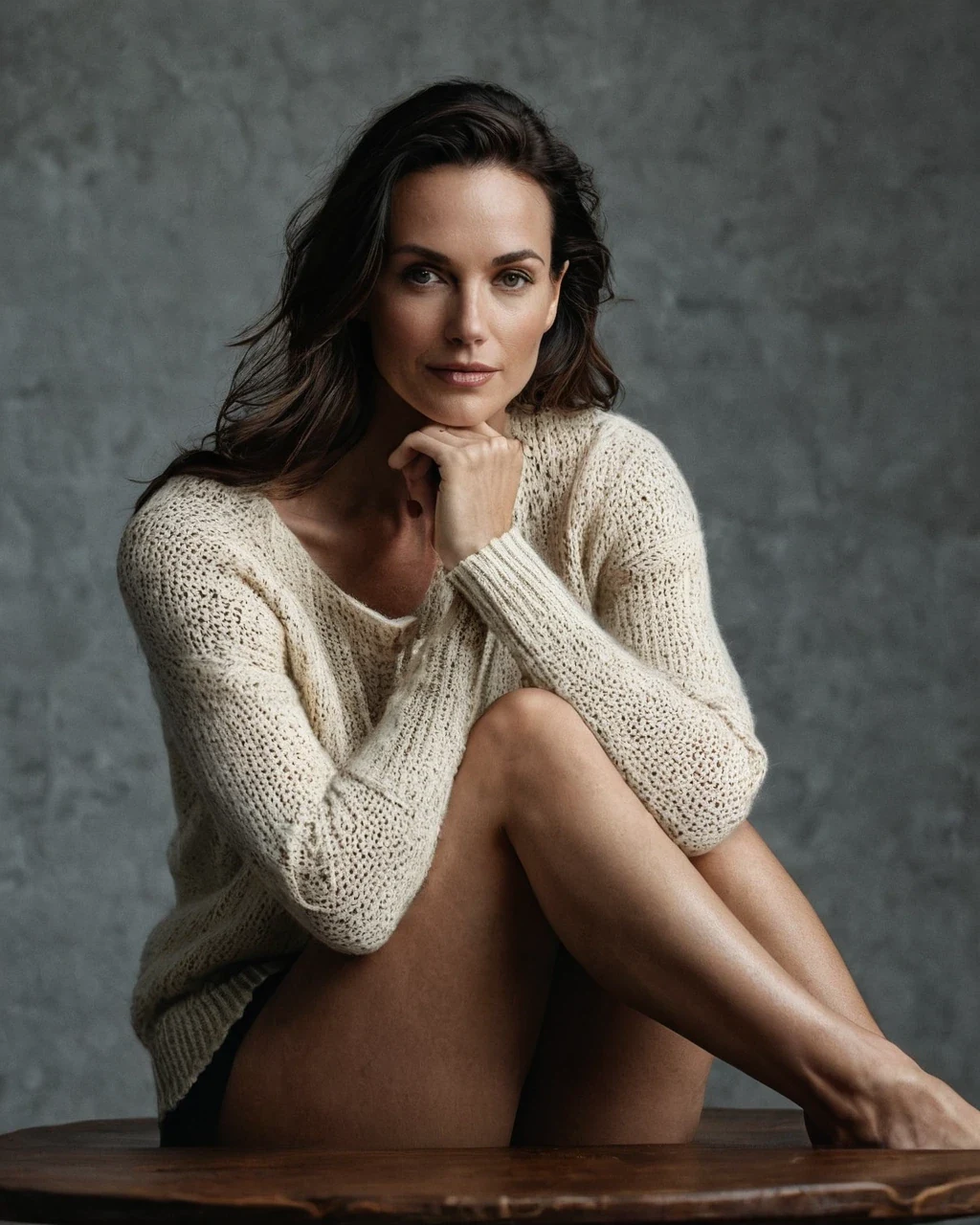
The negative box is a subtraction tool. It cannot make a picture interesting. It cannot supply what you forgot. Everything you want goes in the brief. Only what the model keeps adding uninvited belongs here.
What earns its place
Short and aimed beats long and inherited, every time.
Real artefacts
"Worst quality, jpeg artifacts, blurry" name failure modes the training data labelled. That is why they land.
Anatomy
"Extra fingers, fused fingers, malformed hands" measurably help, for the same reason: They are common, labelled failures.
Something it keeps adding
If every render puts her in a hat, exclude the hat. Narrow and specific works; vague and general does not.
What never works
The single most common misunderstanding is expecting a negative to add something.
- "Not boring" produces nothing. Interest comes from the camera, not from an exclusion.
- "Ugly" spends attention with no target the model can locate.
- Anything you want goes in the positive brief. That is what the positive brief is.
Why a hundred terms hurts
Every excluded term takes attention from something else. A hundred-item list dilutes the six that mattered. It also strips the asymmetry and skin texture that made the photograph believable.
| Terms | Effect |
|---|---|
| 0 | Artefacts the checkpoint was going to draw anyway |
| 10-20 aimed | The useful range |
| 50+ | Dilution starts; texture begins to flatten |
| 100+ inherited | Actively worse than an empty box |
Diagnose, then exclude
A negative should answer a failure you have actually seen twice, not arrive pasted from a forum.
- If limbs merge into fabric, fix the pose first. Then exclude the narrow failure.
- Watch for contradictions - "soft focus, razor sharp" forces the model to average two instructions into mush.
- Hands are better placed than excluded. Give them somewhere to rest. See camera angles.
Build the list from your own failures
A negative prompt is a record of what this model does wrong on this kind of job. Someone else's list records their faults, not yours.
Keep a running note
Every time you discard a render, write the reason in three words. After twenty discards the repeat offenders are obvious, and an audition grid tells you which are the model's.
Promote only the repeats
A fault that appeared once was noise. A fault in a third of your renders is a pattern worth a negative term.
Retire terms that stopped earning
Prompts change, and so do the faults. A term that has not prevented anything in fifty renders is just spending attention.
Keep a base list and a scene list
Two short lists beat one long one, because they change at different speeds.
- The base list covers what the checkpoint always gets wrong: Extra fingers, fused limbs, warped faces.
- The scene list covers this job only: Visible logos on a product shot, wet look on a matte garment.
- Merge them at render time, then edit only the half that failed. Keep one base list per checkpoint.
| List | Changes | Typical length |
|---|---|---|
| Base | Rarely - Once per model | Six to ten terms |
| Scene | Every job | Two to five terms |
Terms that describe a mood do nothing
Negatives work on things the model has a label for. They do not work on judgements, because bad is not a visual category.
Useless
Bad, ugly, poorly drawn, low effort, amateur. None of these name anything the model can find and avoid.
Useful
Extra fingers, blurry, watermark, text, logo, plastic skin. Each names a labelled, common failure.
Better than a negative
Often the fix belongs in the positive brief. Visible pores and fine hair beats fighting plastic skin from the negative side, as the skin guide sets out.
Negative prompts for photorealistic AI: common questions
How long should a negative prompt be?
Ten to twenty aimed terms. Past that you dilute the few that were working and start flattening real texture.
Can negative prompts fix hands?
Partly. Excluding malformed hands helps, but composition helps far more. Hands that are resting, occluded or out of frame succeed far more often than hands you negated.
Should I copy a negative prompt from someone else?
Only as a starting point, and cut it hard. Most circulated lists are several times longer than they need to be and were written for a different checkpoint.
Do negative prompts work the same on both models?
Broadly, but V1 needs fewer anatomy exclusions than V2 does. Trim per model rather than carrying one list across both.
Should the negative prompt grow over time?
It should churn, not grow. Add terms for repeat faults and retire the ones that no longer prevent anything.
Do both models need the same list?
No. Keep one base list per checkpoint, because they fail in different places and a shared list carries dead weight on both.
Can a negative term make an image worse?
Yes. Excluding a common word can pull the whole composition with it, which is why a list of a hundred terms usually renders worse than a list of eight.
Where to go next
This guide pairs with the brief itself, open the studio, how the models differ and fixing it with the camera.